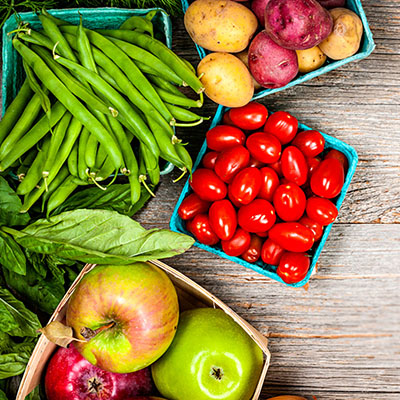
A Healthy You: Simplify Your Approach to Wellness
Understand how calories, nutrients, portion sizes, and having a plan play a role in helping you to achieve a healthy relationship with food
Understand how calories, nutrients, portion sizes, and having a plan play a role in helping you to achieve a healthy relationship with food
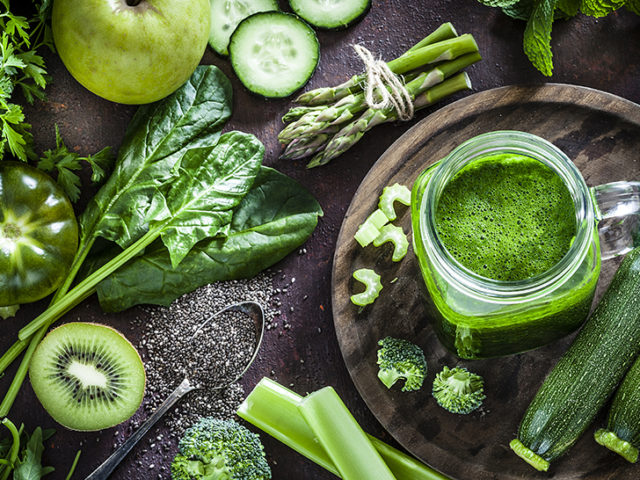
Green smoothies, green juice, and “shots” of greens are a go-to breakfast, snack, or post-workout drink for many health enthusiasts.

Americans are consuming nearly 150 pounds of added sugar per year — that’s approximately 42 teaspoons per day!
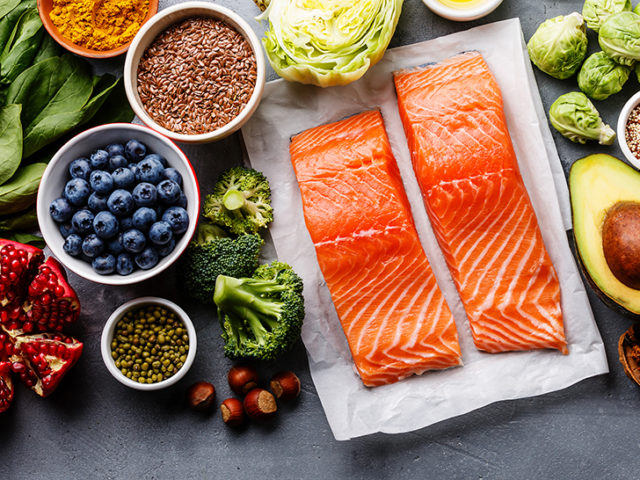
Anti-inflammatory has become a buzzword in the wellness world in recent years. Why are we all so obsessed with fighting inflammation?
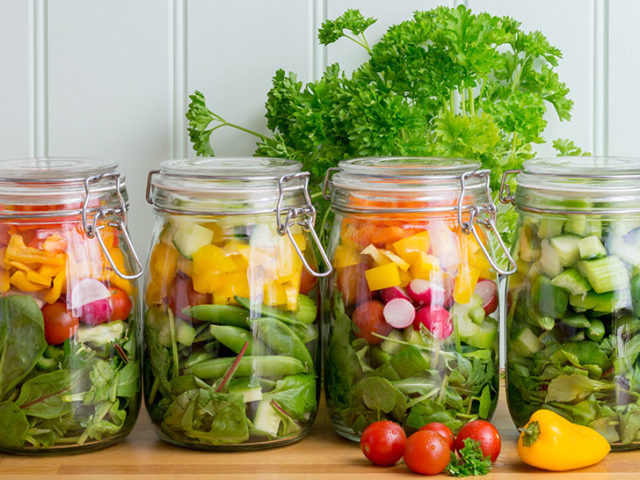
The change of seasons always feels like a good time to reflect and renew any wellness goals, doesn’t it? But it can also mean a shift in your daily routine.
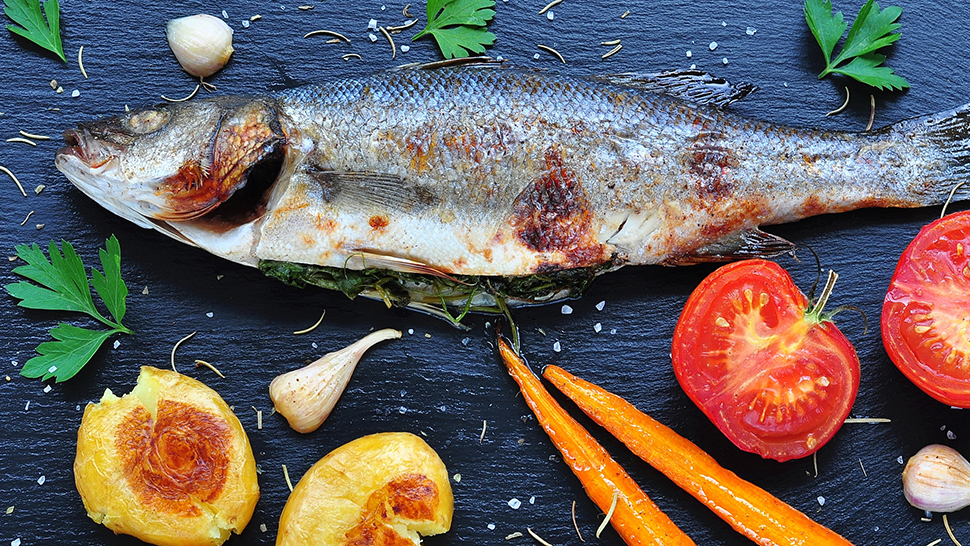
Imagine a table filled with freshly caught fish topped with bright green herbs, platters of vibrantly colored vegetables, and a simple bulgur salad lightly tossed in a fragrant citrus and olive oil dressing. Sitting around that table are your closest family and friends, breathing in the sea air and lingering over the meal with great conversation and lots of laughter. Sounds like vacation, right? For those living near the Mediterranean Sea, this is just a typical evening.
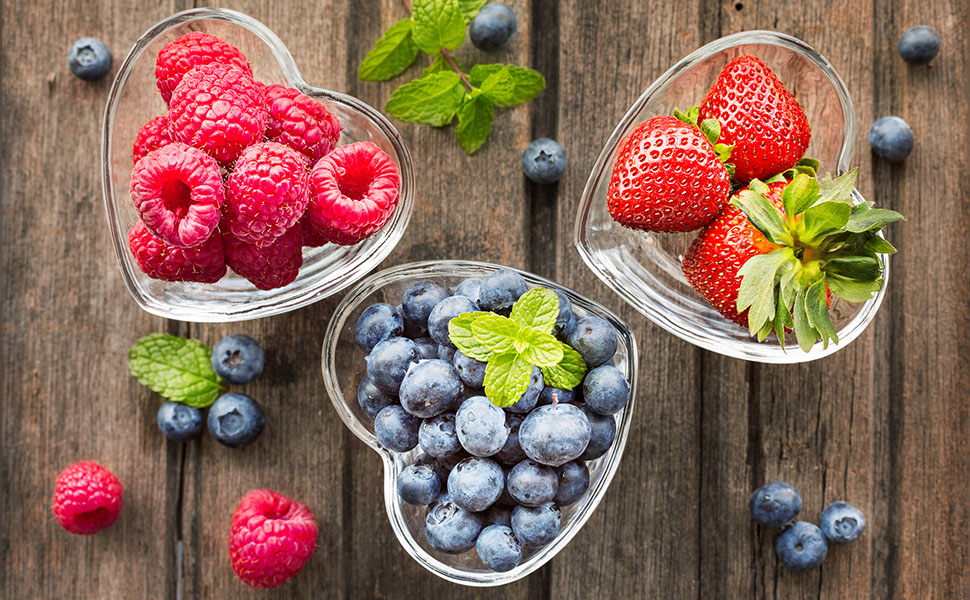
When talking about heart disease prevention, often the focus is on what you shouldn’t eat: red meat, cheese, salt, too much alcohol. While removing these foods from your diet can reduce your risk of heart disease, emphasizing what you can add to your plate to better your heart is just as important – and a lot more fun.
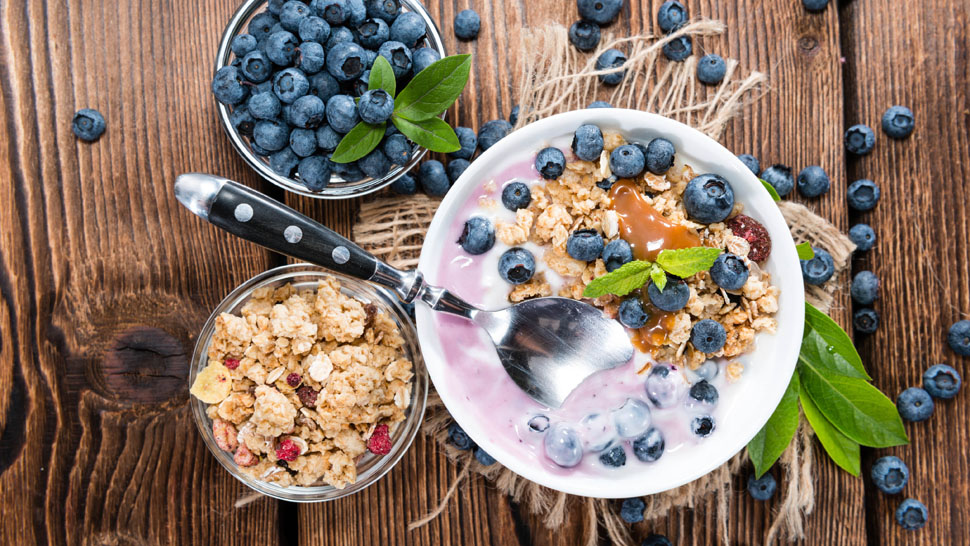
Probiotics have gotten a lot of attention in recent years as helping lay a foundation for a healthy gut. They’ve infiltrated their way into our grocery stores, and supplement makers may have you wondering if a little probiotic pill is the secret to feeling great.

In recent years, sugar has been deemed a major contributor to our nation’s obesity crisis, along with other health conditions. It’s true that added sugars add empty calories to one’s diet, and few of us need more of those!
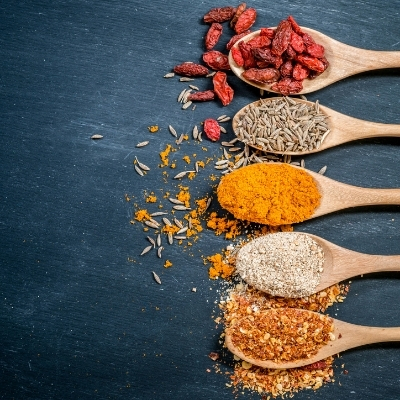
Learning to cook with herbs and spices not only expands your culinary repertoire, it’s also a great way to boost flavor without adding salt.
The average American adult consumes 22 teaspoons of added sugar per day, which translates into almost 300 extra calories. Most of this sugar comes from soda and other sweetened beverages. So how much is too much?

From holiday parties and family celebrations to shopping trips and end-of-semester traditions, the six weeks between Thanksgiving and New Year’s can feel like one marathon celebration. Pair that with all of the tempting holiday foods and drinks that are everywhere you turn, and it’s easy to see how the average American gains between one to five pounds during the holiday season – many of which unfortunately will stick around after the ball drops on New Year’s Eve.